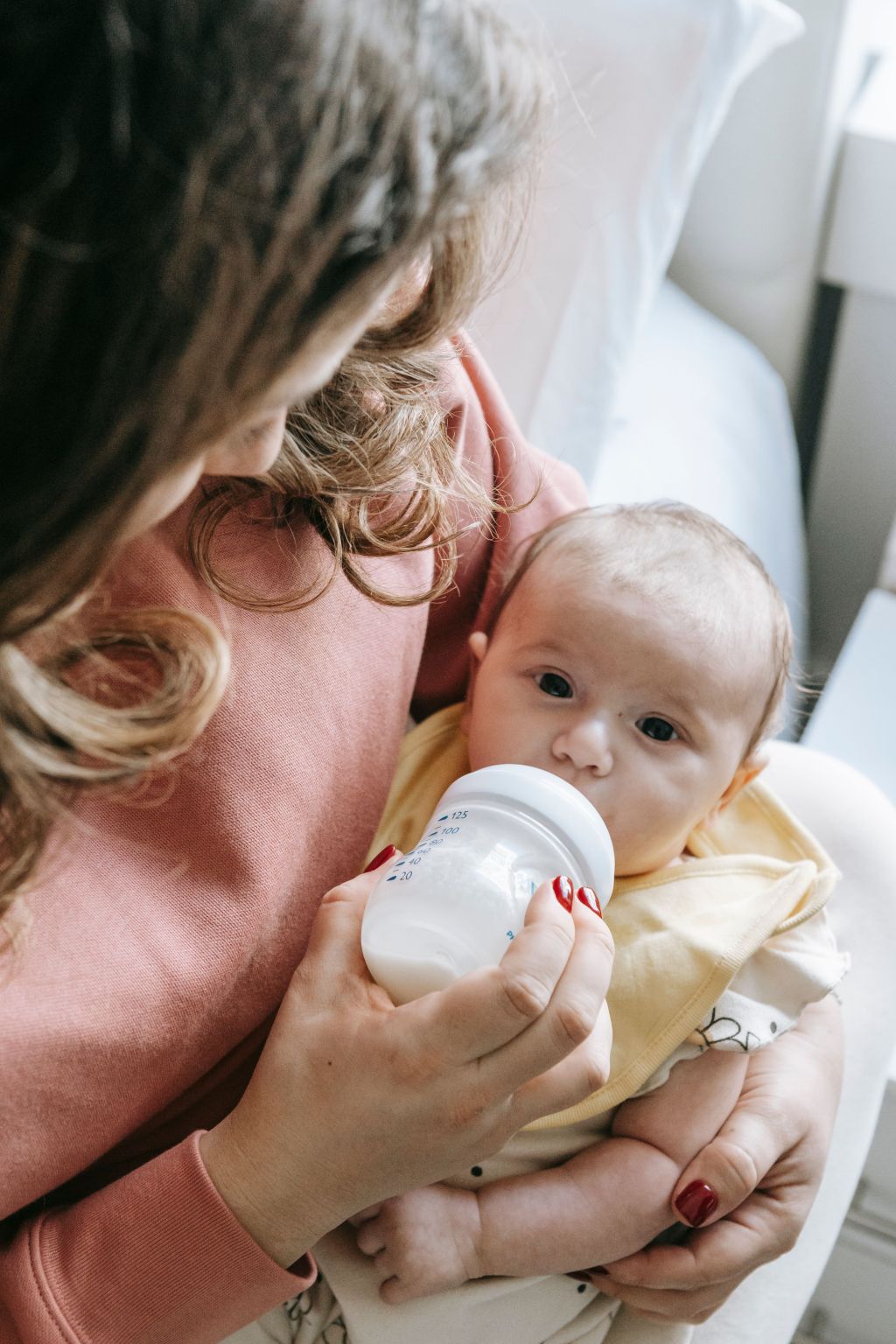
Responsive interactions are the foundation of quality provision for 0-2 year olds, helping babies learn more about themselves, others, and the world at large. As part of our rapid evidence review (https://childmindingbabies.blog/rapid-evidence-review/), we read Hillburn et al’s (2025) US-based study that offered insights into 19 family childcare providers’ experiences with responsive interactions during meal time. Their exploration of responsive feeding evidence-based practices (RF-EBPs) offers a useful lens through which to consider how babies are attuned to, valued, and supported within childminding provision more broadly. In this blog post, we use mealtimes as a lens to reflect on how responsive interactions take shape within the realities of lone working and mixed-age childminding practice.
Note: Throughout the international literature, a range of terms are used to describe childminding. Hillburn et al. (2025) use the phrase ‘family childcare’, and we adopt their terminology in this blog.
Lone working
For babies, mealtimes are opportunities to connect with their childminder and peers and experience a sense of belonging. The interactions they have during meal time can also support many aspects of their development, as well as their sense of self and developing understanding of the world around them. However, creating space for the responsive interactions that make this possible can be challenging within the reality of childminding practice.
During meal time, as with other parts of the day, childminders have multiple duties, from preparing the meal, to modeling good eating practices. Moreover, meal times are normally followed closely by other transitions, such as clean up and nap time. Each of these moments offer opportunities to engage babies in responsive interactions. However, the reality of balancing multiple demands can sometimes make it difficult to be as responsive as we would like. One childminder in Hillburn’s study described how loneworking can impact childminders’ ability to connect with babies during meal time:
“Somebody needs something or [this child] has to go potty, or you know, something like that. It just seems like some days there’s just constantly something and you just don’t have that chance.” (672)
This insight invites us to consider how babies experience these moments when childminders are balancing multiple responsibilities at once. Considering what responsive interactions look like in this context may help us better understand both the opportunities and challenges experienced by babies and childminders during everyday routines.
Mixed-age groups
Another interesting point from the article was around the dynamics between babies and older children. Some described involving babies in mealtimes early on, creating opportunities for participation, belonging, and connection within the group:
“… from the time they’re six months old, or whenever they start solids, they’re at the table straight up with us…” (673)
Others described thoughtfully positioning children around the table to encourage peer support, with older children helping younger ones while babies remained close enough for the childminder to monitor and respond to their needs:
“I specifically position the kids so that there’s a bigger kid kind of next to a younger kid, so in case they need some of that help and they need the assistance… the little little ones will be more towards me so that I can watch.” (674)
While these examples highlight some of the strengths of mixed-age groups, during meal times, some childminders also highlighted the challenges of co-regulating feelings of hunger and tiredness. While this can be stressful for childminders, we found it particularly interesting that this can impact older children too:
“Yes, definitely feeding off the stress. And so stressful for the kids too, because they don’t want to listen to the baby’s cry either. You know, they’re tired, they’re ready for a nap, they don’t have a lot of patience left with babies or with each other too.” (671)
When reflecting on the implications for interactions with babies, mixed-age provision offers ample opportunities to facilitate a sense of social connection and belonging. However, Hillburn’s study also brings into focus the challenge of ensuring babies’ voices are listened to and responded to within the needs of the wider group. In this way, mealtimes provide a useful lens for thinking about how babies are included, supported, and responded to within mixed-age childminding provision more broadly.
Final thoughts
Hillburn’s study reminds us that responsive interactions take shape within the realities of childminding practice, where lone working and mixed-age groups shape how babies’ needs are understood and responded to. As we continue to imagine what high-quality provision looks and feels like for babies with childminders in England, we want to reflect on the following together:
- What are babies’ experiences at different points of the day?
- How are opportunities for connection, participation, and responsiveness being created within everyday routines?
- What support might help childminders strengthen these experiences for babies?
Share your thoughts in the comments below!
References
Hillburn, C. et al. (2025) “Multiple Roles and Children With Mixed-Age Groups Are Primary Challenges for Adoption of Responsive Feeding for Rural Family Child Care Home Providers,” Journal of nutrition education and behavior, 57(7), pp. 664–679. Available at: https://doi.org/10.1016/j.jneb.2025.02.010.


Leave a comment