On October 3, we held the first of the three conferences we have planned for our research on childminding and babies. We began the conference with two simple questions: what brings you joy when working with babies, and what do you find challenging?
The conversations that followed offered a warm, honest account of caring for babies in a childminding setting. They also highlighted what makes childminding distinctive: close relationships, mixed-age groups and the opportunity to create a small, family-like environment.
The joy of growing together
One of the clearest joys expressed by childminders was the opportunity to build a strong attachment with a child from babyhood and, in many cases, to continue caring for them over many years.
Childminders spoke about the privilege of getting to know a baby closely, developing a trusting relationship and then seeing how that child grows and changes. Development can happen remarkably quickly during these early months and years. A childminder might see a baby mastering a new movement, sound or way of communicating from one week to the next. That visible progress can bring an immediate and deeply rewarding sense of purpose.
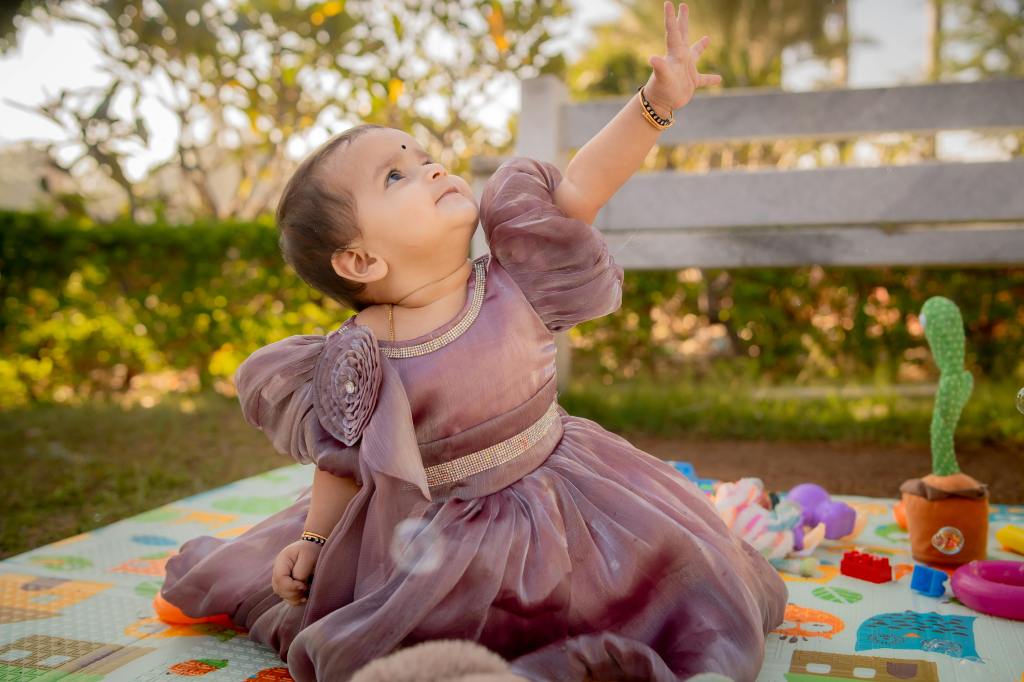
Of course, babies also bring joy simply by being babies. They are funny, curious and often wonderfully happy. Their expressions, discoveries and interactions can transform the atmosphere of a setting. They remind everyone around them to notice small things and to celebrate moments that might otherwise pass unnoticed.
The benefits of a mixed-age environment
One of the things that came through strongly in the conversation was how different the mixed-age environment of childminding can feel. Unlike most nurseries and later in schools, where children are organised into rooms according to age, childminding brings babies and older children together. Childminders talked about how this can create something that feels more like an extended family: children at different stages spending time alongside one another, sharing space, attention and everyday experiences.
Several childminders reflected on what older children can gain from having a baby around, particularly when they do not have younger siblings at home. They talked about children learning patience, care and empathy, and beginning to understand that sometimes someone else needs help first, or that activities and routines have to take account of the youngest member of the group.
And it works the other way too. Childminders described how closely babies watch older children: walking, talking, playing and managing everyday routines. There was a real sense that babies learn simply by being part of this small community of children at different stages.
The reality of juggling different needs
Alongside the joys, childminders were candid about the challenges.
The word that emerged most strongly was “juggling” or as one participant put it – “the logistics”. Caring for a baby involves constant practical and emotional demands, and these must be balanced with the needs of every other child in the setting.
Supervision can be especially challenging when children of different ages are engaged in different activities. Naps, feeds and mealtimes all need careful planning. A baby may need comfort at precisely the moment an older child needs help, reassurance or attention.
And if babies can change the atmosphere very quickly for the better, bringing happiness and energy into a setting, they can also change it the other way around when they are distressed. Their needs are immediate and their communication is powerful. Responding calmly while continuing to support the rest of the group requires considerable skills.
What came through in the conversation was that this juggling is not an occasional difficulty; it is part of the everyday reality of childminding with babies. And it matters when we think about the support childminders need. Meeting several children’s needs at once, when one of those children is a baby whose needs can be immediate and unpredictable, takes considerable judgement and skill.
When attachment takes time
The close attachments that childminders value so highly do not always develop quickly or easily, and this was another side of the conversation that felt important.
Childminders talked about babies who needed a long period of sensitive, consistent care before beginning to feel secure in a new environment. During that time, it can be difficult not to question whether you are doing enough, or whether you are interpreting the baby’s needs correctly.
This felt like the other side of one of childminding’s greatest joys. Forming a strong relationship can be immensely rewarding precisely because it can take time, patience and emotional availability. Supporting a baby through those early stages of separation and settling is highly skilled work, even when progress feels slow.
Building trusting partnerships with families
Childminders also spoke about the importance of their relationships with families.
Leaving a baby with someone else can be emotionally difficult for parents and carers. They need to know that their child is safe, understood and loved. Childminders also reflected on the sensitivity involved when a baby begins to form a close attachment to them. That closeness is exactly what everyone wants for the baby, but it can also bring complicated feelings to the surface for families. Navigating that with warmth and sensitivity is part of the relationship-building too.
There were practical tensions too. A family may understandably want their baby’s home routine to be followed exactly. Childminders talked about trying to maintain familiar patterns wherever possible while also caring for other children whose needs have to be considered. Life in a childminding setting will not always look exactly like life at home.
Again, what seemed to matter was the relationship. Childminders and families need to be able to talk openly about what matters most to the baby, what can realistically be accommodated and where some flexibility might help. Trust is built through those conversations: when childminders can explain the decisions they make and families feel that what they know about their child is genuinely heard.
Recognising the skill involved
Perhaps what stayed with us most from these opening conversations was both the delight and the complexity of childminding provision for babies. The childminders in the room spoke with enormous warmth about the relationships they build and the privilege of watching babies grow. But those same conversations also showed just how much patience, adaptability, judgement and emotional skill the work involves.
Perhaps the strongest message from these conversations was that the joys and challenges of caring for babies cannot really be separated. The attachment that childminders described as one of the greatest joys of their work can take time, patience and a lot of emotional energy to build. The mixed-age environment that gives babies and older children so much can also mean constantly juggling very different needs. And close relationships with families are enormously important, but they too need time, trust and sometimes difficult conversations.
That feels important for our research. If we want to understand what it means to childmind babies, we need to understand both sides of the experience – not as separate lists of benefits and challenges, but as things that are often intertwined. And this was only our opening conversation. We came away with plenty more to think about.


Leave a Reply